
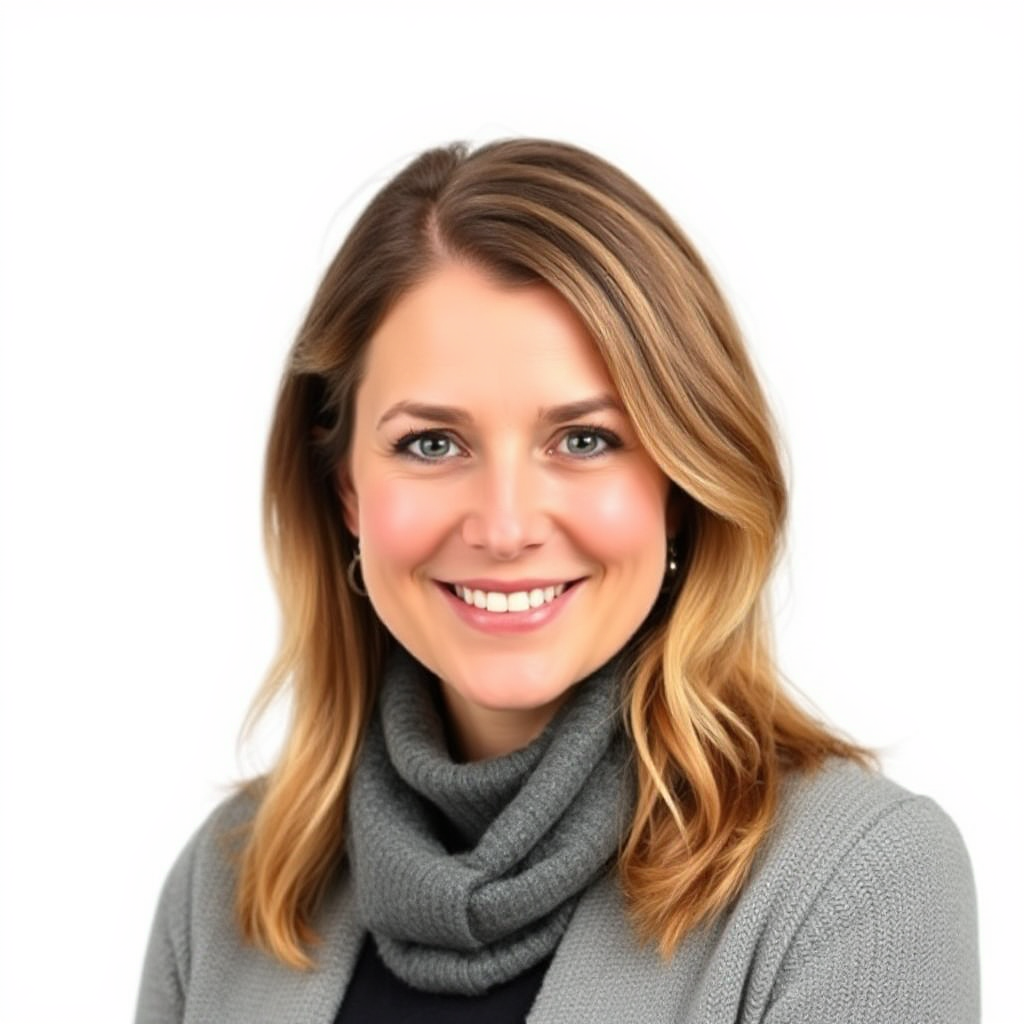
"On one occasion, I visited a youth festival and found myself sitting next to another politician. He was grasping a pile of 100 baht notes to give away to the children, whereas I had come without gifts. How could I contend with that?"
The politician Chutiphong was part of the "idealistic tide" of reform-minded newcomers who shocked Thailand in the last national poll by capturing more seats for the progressive Move Forward party than any rival party.
This year though, he forfeited his seat in his home province of Rayong to a challenger from an long-standing political dynasty which has traditionally controlled positions of power there.
"In 2023 we were akin to a hurricane that overwhelmed and the other parties could not fight back. They thought I was only a no-name candidate. The surge of support for Move Forward in the closing stages of that election really persuaded voters to opt for change."
Now re-branded the People's Party, their hopes that they would improve on their 2023 performance were shattered on the shoals of traditional clientelist systems which have governed regional politics in Thailand across its modern history.
The outcomes are not yet finalized, and a number of election irregularities are being examined, but that will not alter the final picture: a dramatic drop of over 20% in the number of seats secured by the People's Party, and a remarkable surge by the traditionalist Bhumjaithai party, boosting its share of seats from 71 in 2023 to an estimated 193 in the five-hundred-member parliament now.
'They did not address me again'
Following gaining his seat in 2023, Chutiphong dedicated himself to his role as MP, visiting his district hoping to tackle the issues of his neighbours. But he rapidly met opposition from those loyal to the established power-brokers. Worse still, he discovered he was expected to provide financial support, from funds he just did not have.
"I was invited to a women's rights event - a frequent activity for the residents to join and have fun. But they told me if I desired to come, I must give 25,000 baht. I told them I didn't have that money. They were extremely disappointed about that and said I was cold-hearted. I inquired if there was another way I could contribute. But they never spoke to me again."
What he had run up against was a long-standing framework of favoritism dominated by a powerful family.
Rayong is best known as within the Eastern Economic Corridor, Thailand's biggest economic area, hosting many of the plants which power its export-dependent economy. This has attracted outside workers from other regions, and also led to an metropolitan populace which is more open to the change-oriented platforms of the reformist groups.
In 2023, Move Forward swept all five electoral districts there.
But a lot of Rayong is remains countryside, the domain of agricultural workers and orchard owners. This is especially the case in District 4, where Chutipong secured his seat. He is a area resident, but spent several years based in California. The province has for many years been controlled by a prominent local household, the Pitutecha family. This is what is known in Thailand as "Big House" – big house – politics, and throughout the country it is the method provincial control has historically been managed.
Pitutechas manage a large part of the local government.
Piya 'Chang' Pitutecha, the current family head, is the chosen leader of the Provincial Administration Organisation (PAO), a immensely important position as the PAO manages most government spending in Rayong.
Prior to 2023, Pitutechas had always been included in the MPs voted to parliament, with one holding the post of the deputy health minister in Bangkok.
Like other "Big House" families they have no strong loyalty – through the years they have represented multiple political parties. They are also influential in the regional commercial sector, and, unlike Chutipong, have ample money to distribute. It was almost hopeless for the new MP to contend.
The "Big House" depend on vast systems of campaign workers - local people who understand their villages, and who rally voters to support their candidate. And while it is formally forbidden, they also distribute money before, during, and after elections. They have historically been vital to the victory of local politicians, and as a new, mostly city-based movement, the People's Party had lacked them.
"So I modified my strategy," explains Chutipong. "I announced that I would try to address any grievances immediately. If your water is cut off, your electricity has failed, your road has damage, I would assist."
"But the residents who called me in then encountered intimidation from the network. Some got attacked in the village's chat group or via the PA system in the village. They were accused of allowing me - a stranger they said - into the area."
"On occasions when I tried to inspect factories after getting some allegations about pollution, I faced a backlash from nearby residents because they had been receiving payments from these factories."
During the 2026 campaign, the Pitutechas had learned from their loss in the prior election.
In those electoral areas, they nominated junior members of the family, with higher education and with less of godfather image than the older generation. In District 3 they ran under the Democrat party, conventionally their favored political partner, but in District 4, 34-year-old Chatchai Pitutecha campaigned under Prime Minister Anutin Charvirakul's Bhumjaithai party, renowned for its deep pockets and its skill in winning "Baan Yai" for his side.
Chutipong was outmatched.
The Pitutechas won both seats back from the People's Party, although the the party kept three seats in Rayong.
"They would have accepted me if I had provided them money, but I was unable to do that permanently due to my modest means. I had to determine whether I would be the representative they demanded, or whether I would hold onto my principles and test if the constituents would


